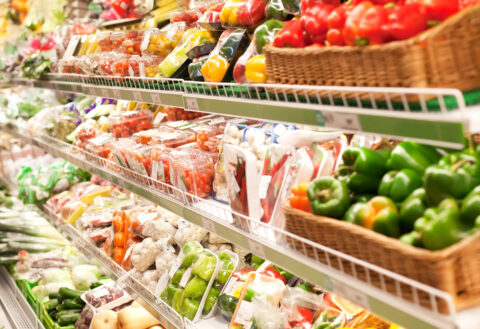
From Stability to Uncertainty The global food system is entering a period of profound instability. Rising geopolitical tensions, disruptions in energy and fertilizer supply, climate variability, and increasing economic fragmentation
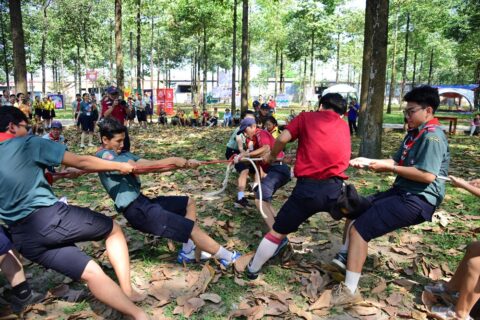
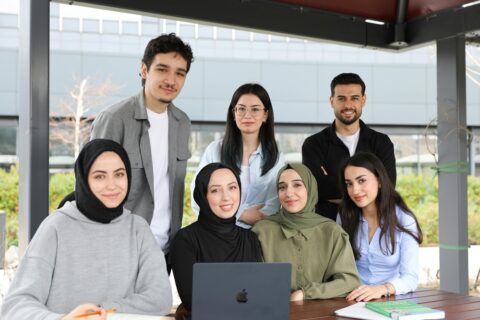
A Community Development Perspective The strength of any civilization lies not merely in the resources it possesses, but in the unity and cooperation of its people. Communities rise when individuals
Why Personal Integrity Must Precede Public Advice The Crisis of Credibility in Leadership One of the greatest challenges facing communities today is not lack of knowledge — but lack of
Holding Firm to Principles While Practicing Mercy with People The Dangerous Myth of “Just This Once” Many people believe that compromising on values occasionally is harmless. Yet history, psychology, and
From Profit Maximization to Purpose-Driven Enterprise Rethinking Corporate Responsibility in a Time of Global Crisis In today’s corporate world, Corporate Social Responsibility (CSR) is often treated as: Yet despite the
The Islamic Economy Academy is proud to announce the launch of its flagship annual publication, Leaders of the Islamic Economy 2026, a global initiative dedicated to recognizing and documenting the
A Sustainable Path to Economic Justice, Social Equity, and Collective Prosperity The Crisis of Inequality and the Search for Sustainable Solutions Across the world today, wealth inequality is widening at
From Purpose to Scale, From Service to Sustainable Success Think Bigger Than Survival Many young people start businesses with small goals: Islam invites you to think much bigger. A Muslim
An Islamic Framework for Living, Working, and Leading with Excellence (Iḥsān) Excellence Is Not Optional in Islam In many cultures, excellence is treated as: In Islam, excellence is something far
Building Sustainable, Ethical, and Resilient Small Businesses Through Islamic Economic Principles Why MSMEs Matter in the Islamic Economy Micro, Small, and Medium Enterprises (MSMEs) are the backbone of every successful