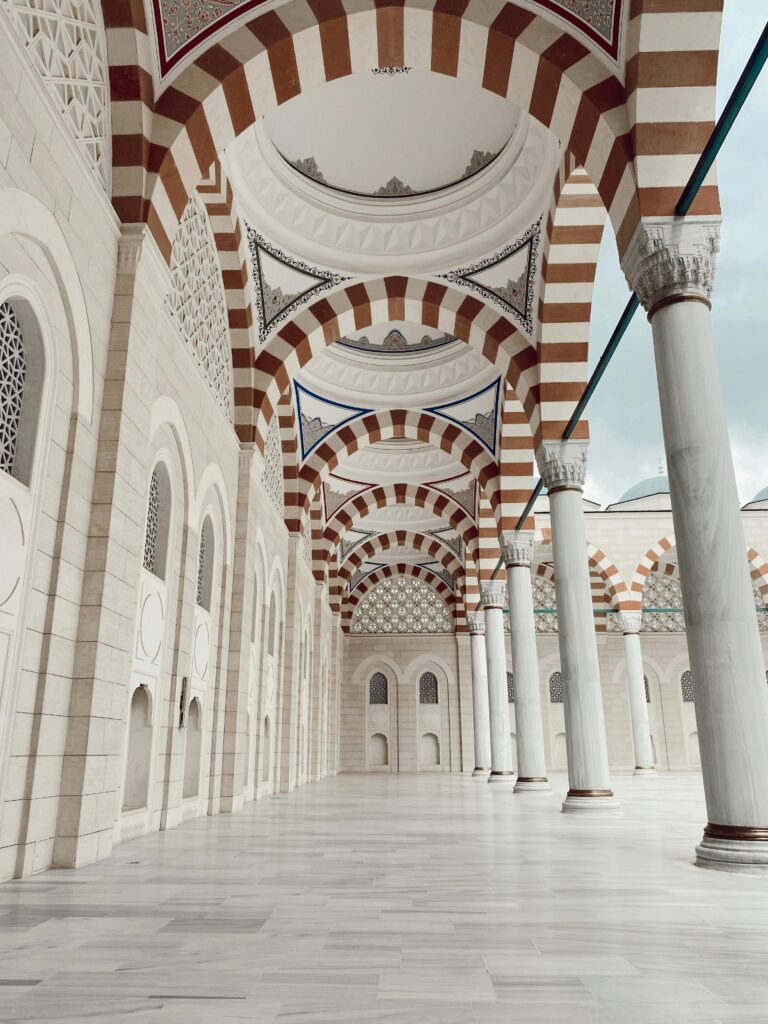
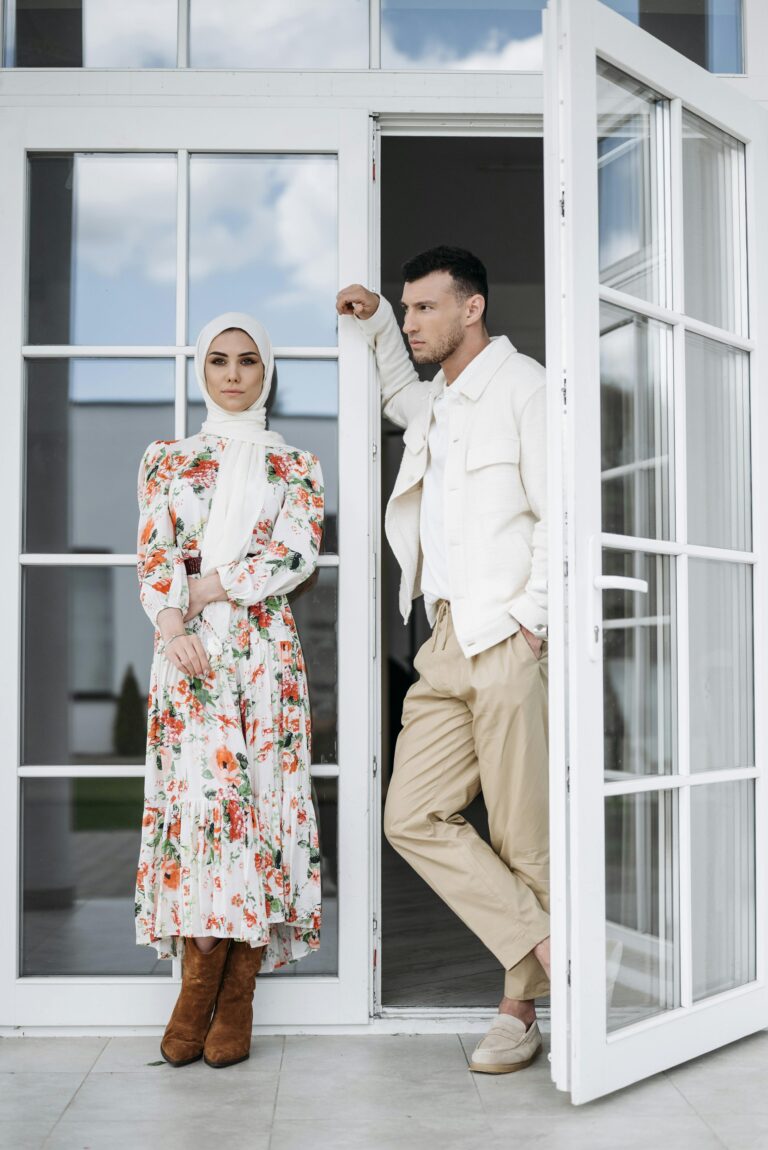

Islamic fashion is often viewed through the narrow lens of modest dress codes. In reality, it represents a refined design philosophy—one that harmonizes beauty with dignity, creativity with restraint, and identity with ethics. At its best, Islamic fashion is not reactive or defensive; it is confident, elegant, and intentional.
Rooted in faith yet expressed through culture, craftsmanship, and innovation, Islamic fashion design offers timeless principles that are increasingly relevant in a global fashion industry seeking meaning, sustainability, and authenticity.
At Islamic Economy Academy, Islamic fashion design is understood as a values-driven creative discipline, not merely a market trend.
The Philosophy Behind Islamic Fashion Design
Islamic fashion begins with a worldview where:
- Beauty is meaningful, not superficial
- Clothing is an expression of character and identity
- Design serves human dignity, not objectification
In Islam, elegance is not loud. It is measured, balanced, and purposeful. Clothing is meant to enhance presence without demanding attention, to express confidence without excess, and to reflect inner values outwardly.
This philosophy shapes every design decision—from silhouette to fabric, from color to craftsmanship.
Modesty as a Design Foundation, Not a Limitation
Modesty (ḥayāʾ) is the cornerstone of Islamic fashion design. Yet modesty in design is often misunderstood as restriction. In truth, it is a creative framework, not a constraint.
Modesty in Islamic fashion emphasizes:
- Appropriate coverage without heaviness
- Graceful silhouettes rather than body-hugging forms
- Flow, structure, and proportion
- Intentional concealment that enhances elegance
By shifting focus from exposure to design, modesty elevates creativity, encouraging designers to work with form, texture, layering, and detail.
Silhouette: Balance, Flow, and Dignity
One of the defining features of Islamic fashion design is the silhouette.
Key principles include:
- Loose or structured draping that allows ease of movement
- Balance between volume and proportion
- Designs that respect the human form without revealing it
Silhouettes in Islamic fashion are often:
- Fluid rather than rigid
- Architectural rather than revealing
- Designed to move gracefully with the wearer
The result is clothing that conveys confidence, calm, and refinement.
Fabric Selection: Quality Over Excess
Fabric choice is central to elegance in Islamic fashion.
Preferred characteristics include:
- Breathability and comfort
- Natural drape and flow
- Durability and longevity
- Ethical and sustainable sourcing
Islamic design philosophy favors:
- Quality over quantity
- Timeless textiles over trend-driven materials
- Comfort that supports daily life and worship
The fabric should serve the wearer—not the other way around.
Color, Pattern, and Aesthetic Restraint
Islamic fashion design embraces beauty through restraint, not excess.
Color
- Harmonious palettes
- Neutral and earthy tones balanced with thoughtful accents
- Seasonal variation without visual overload
Pattern
- Subtle prints and textures
- Cultural motifs used with respect
- Avoidance of overly aggressive or chaotic designs
Aesthetic restraint allows the wearer—not the garment—to remain central.
Craftsmanship and Detail: Quiet Sophistication
Elegance in Islamic fashion often lies in the details:
- Fine stitching
- Thoughtful embroidery
- Hand-finished edges
- Purposeful embellishment
Rather than excessive decoration, Islamic fashion values:
- Meaningful craftsmanship
- Subtle luxury
- Respect for artisan skill
Detail is used to enhance, not dominate.
Cultural Expression Within a Unified Ethical Framework
Islamic fashion is not monolithic. Its design language adapts across regions and cultures:
- Southeast Asian silhouettes
- Middle Eastern draping
- African textiles
- South Asian craftsmanship
- Western tailoring influences
What unifies this diversity is not uniform appearance, but shared ethical foundations:
- Modesty
- Dignity
- Respect
- Balance
This makes Islamic fashion globally expressive yet spiritually cohesive.
Ethics and Responsibility in Fashion Design
Islamic fashion design extends ethics beyond aesthetics.
It asks:
- Who made this garment?
- Under what conditions?
- At what environmental cost?
Ethical Islamic fashion prioritizes:
- Fair labor practices
- Safe working conditions
- Responsible production cycles
- Reduced waste and overproduction
Elegance is incomplete if achieved through injustice.
Designing for Real Life, Not Just the Runway
Islamic fashion is inherently functional.
Designs must accommodate:
- Daily movement and work
- Family and community life
- Prayer and modesty needs
- Long wear and versatility
This practicality ensures that Islamic fashion remains wearable, relevant, and empowering—not performative.
The Designer’s Responsibility: Shaping Identity and Culture
Islamic fashion designers are not merely trend-setters—they are culture shapers.
Their work influences:
- How modesty is perceived
- How Muslim identity is represented
- How faith and creativity coexist
With this influence comes responsibility:
- To avoid commodifying faith
- To resist dilution of values
- To design with sincerity and depth
True elegance begins with intentional design ethics.
Conclusion: Elegance Rooted in Values
Islamic fashion design is a celebration of measured beauty—where elegance is not loud, modesty is not restrictive, and creativity is guided by conscience.
When fashion is shaped by values,
design becomes dignified,
beauty becomes timeless,
and elegance becomes an expression of inner clarity.
At Islamic Economy Academy, we believe Islamic fashion design principles offer more than aesthetic guidance—they provide a framework for ethical creativity, cultural confidence, and sustainable style in a world increasingly hungry for meaning.
Islamic fashion does not chase trends.
It cultivates elegance that endures.
Explore more insights on modest fashion, ethical design, and the halal creative economy at Islamic Economy Academy.