
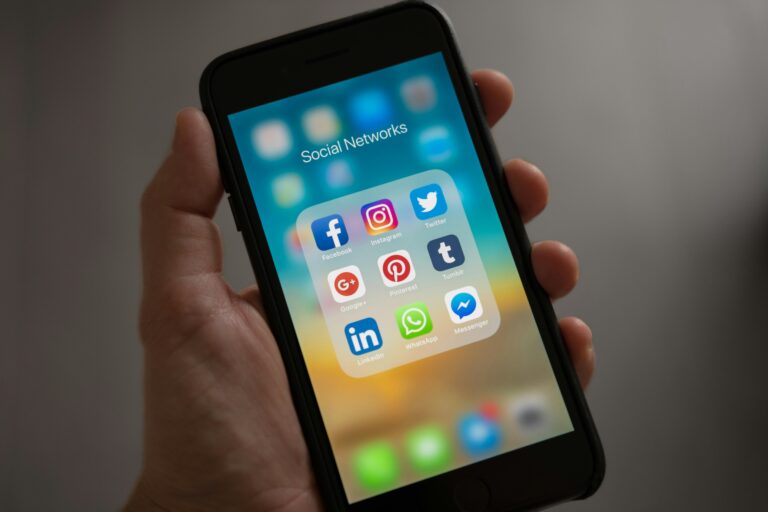

We live in an age where media does not merely inform—it shapes beliefs, identities, values, and behavior. Social media, news platforms, streaming content, and AI-driven algorithms influence how people see themselves, others, and the world. For Muslim communities, this reality presents both serious challenges and powerful opportunities.
Islamic media literacy is not about isolation from modern media. It is about engaging media consciously, ethically, and intelligently, guided by Islamic principles. When communities develop strong media literacy rooted in faith and critical thinking, media becomes a tool for empowerment rather than manipulation.
At Islamic Economy Academy, Islamic media literacy is understood as a strategic capability for community resilience, youth empowerment, and ethical leadership.
What Is Islamic Media Literacy?
Islamic media literacy is the ability to:
- Critically analyze media content
- Understand how narratives are constructed
- Recognize bias, misinformation, and manipulation
- Align media consumption and creation with Islamic ethics
- Use media responsibly for education, advocacy, and positive change
It integrates critical thinking skills with Islamic moral guidance, enabling individuals to navigate digital spaces without losing identity, values, or agency.
Why Media Literacy Is a Community Priority Today
Modern media ecosystems present serious risks:
- Misinformation and fake news
- Sensationalism and outrage culture
- Stereotyping and misrepresentation of Muslims
- Algorithm-driven addiction and distraction
- Normalization of unethical behavior and values
Without media literacy, communities become:
- Reactive rather than reflective
- Emotionally manipulated
- Divided by misinformation
- Vulnerable to identity erosion
Media literacy is therefore not optional—it is essential for informed citizenship and faith-conscious living.
The Islamic Ethical Framework for Media Engagement
Islam provides timeless principles that directly apply to media use.
1. Truthfulness and Verification (Ṣidq & Tathabbūt)
Islam emphasizes verifying information before accepting or sharing it. Spreading unverified content—even unintentionally—can cause harm and injustice.
Media literacy trains communities to:
- Check sources
- Question headlines
- Avoid emotional sharing
- Distinguish fact from opinion
Truth is a moral obligation, not a preference.
2. Accountability and Responsibility (Amānah)
Every post, comment, and share carries moral weight.
Islamic media literacy teaches that:
- Words can heal or harm
- Silence can be wiser than reaction
- Influence is a trust, not a right
Digital behavior is part of ethical conduct (akhlaq).
3. Protecting Dignity and Avoiding Harm
Islam prohibits:
- Backbiting and slander
- Mockery and humiliation
- Sensational exposure of faults
- Dehumanization of individuals or groups
Media literacy equips users to recognize harmful content—even when it is popular or viral—and to disengage responsibly.
Media Literacy and Muslim Identity Formation
Media strongly influences how Muslims—especially youth—understand:
- Beauty and success
- Gender roles and relationships
- Faith and belonging
- Self-worth and validation
Islamic media literacy empowers individuals to:
- Separate media narratives from self-identity
- Resist harmful comparisons and unrealistic standards
- Build confidence rooted in values, not validation
A community confident in its identity is less easily manipulated.
From Passive Consumption to Conscious Engagement
Media literacy shifts communities from passive consumption to intentional engagement.
This includes:
- Choosing content aligned with values
- Limiting exposure to harmful media
- Curating digital environments mindfully
- Understanding how algorithms influence attention
Islam encourages intentional living—media use should reflect that intentionality.
Empowering Youth Through Islamic Media Literacy
Youth are not only consumers of media—they are creators.
Islamic media literacy programs for youth should focus on:
- Critical thinking and analysis
- Ethical storytelling and content creation
- Responsible use of social platforms
- Countering misinformation with wisdom
- Using media for positive social impact
When guided well, youth become narrative shapers, not narrative victims.
Community-Level Media Literacy Initiatives
Effective community empowerment requires structured initiatives:
1. Education and Training Programs
- Workshops in mosques, schools, and community centers
- Media literacy integrated into Islamic education
- Training for parents, educators, and leaders
2. Ethical Media Guidelines
Communities benefit from shared standards on:
- Online conduct
- Crisis communication
- Handling disagreements publicly
- Representation and storytelling
Clear guidelines prevent reactive and harmful digital behavior.
3. Supporting Positive Muslim Media
Empowered communities:
- Support ethical journalists and creators
- Promote balanced and accurate narratives
- Invest in community-owned media platforms
- Encourage storytelling rooted in dignity and truth
Representation improves when communities participate, not just complain.
Media Literacy as Protection Against Polarization
Digital media often thrives on outrage and division.
Islamic media literacy teaches:
- Resisting emotional manipulation
- Avoiding online tribalism
- Engaging disagreement with wisdom
- Seeking understanding over victory
This reduces internal community conflict and strengthens unity.
The Role of Leaders and Institutions
Imams, educators, activists, and community leaders must:
- Model ethical media behavior
- Address misinformation proactively
- Educate rather than shame
- Use digital platforms responsibly
Leadership silence in the face of digital harm leaves communities vulnerable.
From Awareness to Empowerment
Islamic media literacy is not about fear of media—it is about mastery of engagement.
An empowered community:
- Thinks before it shares
- Questions before it reacts
- Creates rather than consumes passively
- Upholds ethics even in digital spaces
Media becomes a means of da‘wah, education, and advocacy—without compromising integrity.
Conclusion: Faith-Guided Minds in a Media-Saturated World
Media will continue to evolve—but values must remain firm.
Islamic media literacy equips communities to:
- Navigate complexity with clarity
- Protect dignity in noisy spaces
- Build narratives rooted in truth
- Empower youth and future leaders
When media is approached with wisdom,
critical thinking guided by faith,
and ethics rooted in responsibility,
communities are no longer shaped by narratives—
they help shape them.
At Islamic Economy Academy, we believe creating Islamic media literacy is essential for community empowerment, ethical leadership, and resilient identity in the digital age.
Media literacy is not resistance to modernity.
It is conscious engagement with it—on our terms, guided by our values.