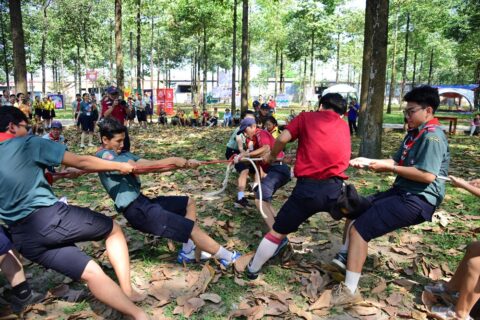
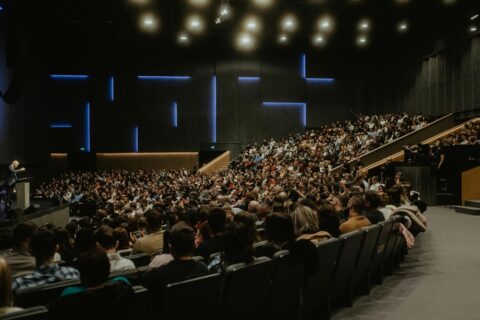
A Community Development Perspective The strength of any civilization lies not merely in the resources it possesses, but in the unity and cooperation of its people. Communities rise when individuals
From Temporary Relief to Sustainable Empowerment and Human Dignity Charity Must Uplift — Not Humiliate Charitable work is among the most honored acts in Islam. It reflects compassion, mercy, and
A Sustainable Path to Economic Justice, Social Equity, and Collective Prosperity The Crisis of Inequality and the Search for Sustainable Solutions Across the world today, wealth inequality is widening at
Restoring Balance Between Outward Practice, Inner Purity, and Ethical Conduct A Growing Crisis of Misplaced Priorities In some Muslim communities, we see a troubling pattern: As a result, Islam is
Why Plagiarism, False Titles, and Undeserved Recognition Are Eroding Community Trust—and How We Can Fix It A Quiet Crisis in the Muslim Public Sphere Across conferences, seminars, award ceremonies, and
The family is the core institution upon which societies rise or fall. Islam treats the family not as a private arrangement alone, but as a public trust with deep implications
Curriculum development lies at the heart of effective Islamic education. It determines what is taught, how it is taught, and why it is taught. A well-designed curriculum does more than
Islamic education is not merely a system of instruction—it is a civilizational framework for nurturing faith, character, intellect, and responsibility. From the earliest days of Islam, education has been central
Islamic education has always been rooted in the pursuit of knowledge (ʿilm), wisdom (ḥikmah), and character (akhlaq). From the circles of learning in classical mosques to global centers of scholarship,
Community development is not merely about infrastructure, funding, or short-term projects. At its heart, it is about people—their dignity, relationships, values, and collective ability to shape a better future together.