
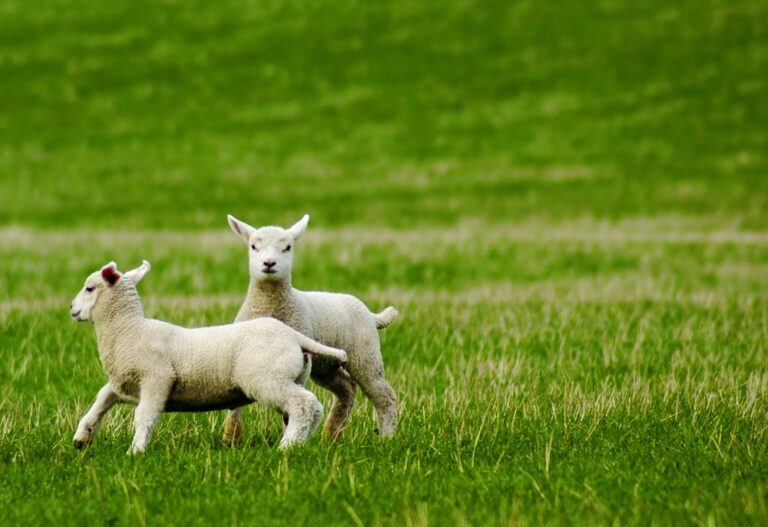

Animal welfare is not a modern ethical invention imposed on Islamic teachings—it is deeply embedded in the Qur’an and the Prophetic tradition. Islam established clear moral boundaries for how humans interact with animals long before industrial farming, mass production, and global food systems existed.
Today, as the halal industry expands into a multi-trillion-dollar global market, a critical question must be asked:
Can halal truly remain halal if animal welfare is compromised?
The answer from an Islamic ethical perspective is clear: halal without humane treatment fails the spirit of Islam. Animal welfare is not an optional enhancement—it is a core requirement of ethical halal practice.
At Islamic Economy Academy, animal welfare is understood as an essential pillar of halal integrity, tayyib (wholesome) standards, and ethical industry leadership.
Animals in Islam: Creatures with Rights and Dignity
Islam recognizes animals as living communities, not commodities.
The Qur’an and Sunnah emphasize that:
- Animals are creations of Allah (swt) with purpose
- They glorify Allah (swt) in their own way
- Humans are entrusted with responsibility—not domination
Islam rejects cruelty, neglect, and exploitation of animals in all forms. Ownership does not equate to unrestricted control; it comes with accountability and limits.
The Prophetic Model: Mercy as the Standard
The Prophet Muhammad ﷺ established animal welfare as a moral obligation, not a recommendation.
Key ethical lessons from the Prophetic tradition include:
- Kindness to animals is a source of divine reward
- Cruelty to animals is a serious moral failure
- Animals must be fed, rested, and protected from harm
- Overworking or mistreating animals is forbidden
Even in lawful use—such as food, transport, or labor—compassion is mandatory.
Animal Welfare as a Core Component of Halal
Halal is often reduced to the act of slaughter. This reduction is one of the greatest ethical failures of the modern halal industry.
True halal encompasses:
- How animals are bred
- How they are raised and fed
- How they are transported
- How they are handled before slaughter
- How slaughter is conducted
An animal that suffers prolonged stress, abuse, or neglect may technically meet a slaughter requirement—but fails the tayyib standard, which is inseparable from halal.
Islamic Principles Governing Humane Animal Treatment
1. Mercy (Raḥmah)
Animals must be treated with compassion at all stages of life. Deliberate cruelty, rough handling, or indifference to suffering is strictly prohibited.
2. Prevention of Harm (Darar)
Islam forbids causing unnecessary pain or suffering. Practices that maximize profit at the expense of animal wellbeing violate this principle.
3. Trust (Amānah)
Animals under human care are a trust. Neglecting their welfare is a breach of responsibility—not merely poor management.
4. Excellence (Iḥsān)
Even when animals are slaughtered for food, Islam requires the highest standard of care and skill—not the minimum acceptable level.
Humane Slaughter in Islam: Ethics Beyond Technique
Islamic slaughter is governed by strict ethical rules designed to minimize suffering:
- The animal must be healthy and alive
- The knife must be sharp to ensure swift action
- The animal must not see the blade beforehand
- Slaughter must be quick and decisive
- The animal must not witness the slaughter of others
These guidelines are not ritual formalities—they are compassion protocols.
Any practice that turns slaughter into an industrialized, mechanical process devoid of care undermines Islamic ethics.
Modern Halal Industry Challenges
The global halal meat industry faces serious ethical challenges:
- Factory farming and overcrowding
- Stressful long-distance transportation
- Inadequate rest, food, and water
- Rough handling in processing facilities
- Speed-driven slaughter lines
These realities raise urgent concerns:
- Can mass production align with Islamic mercy?
- Are certification processes addressing welfare holistically?
- Is economic pressure overriding ethical responsibility?
Ignoring these questions risks hollowing out halal’s moral meaning.
Ensuring Humane Practices Across the Halal Supply Chain
1. Ethical Farming and Rearing
- Adequate space, nutrition, and clean water
- Humane living conditions
- Avoidance of unnecessary confinement
- Responsible veterinary care
2. Humane Transportation
- Minimal travel time
- Protection from extreme temperatures
- Proper loading and unloading practices
- Rest and hydration
3. Skilled and Ethical Slaughter Personnel
- Proper training in Islamic slaughter ethics
- Accountability and supervision
- Respectful handling of animals
- Rejection of speed-over-care models
4. Beyond Certification: Ethical Auditing
Halal certification must evolve to include:
- Animal welfare audits
- Welfare indicators alongside ritual compliance
- Transparency and traceability
- Continuous improvement benchmarks
Certification without compassion is insufficient.
The Role of Consumers: Ethical Awareness Matters
Consumers play a critical role in shaping industry behavior.
Ethical halal consumption means:
- Asking how animals were treated—not just how they were slaughtered
- Supporting producers committed to humane standards
- Avoiding excessive meat consumption
- Reducing waste and honoring food as a blessing
Islam encourages moderation—not overconsumption driven by convenience.
Animal Welfare, Sustainability, and the Future of Halal
Animal welfare is deeply connected to:
- Environmental sustainability
- Human health
- Food quality
- Ethical credibility
A halal industry that ignores welfare:
- Loses moral authority
- Faces increasing consumer skepticism
- Risks alignment with unethical industrial models
A halal industry that embraces welfare:
- Builds trust
- Aligns with Islamic values
- Leads global ethical food systems
Conclusion: Mercy Is the Measure of Halal Integrity
Animal welfare in Islam is not sentimental—it is foundational.
When animals are treated with mercy,
halal regains its soul,
food becomes truly tayyib,
and human dominion returns to responsible stewardship.
Ensuring humane practices in the halal industry is not about meeting external pressure or trends. It is about returning to Islamic ethical roots—where compassion, responsibility, and excellence define lawful consumption.
At Islamic Economy Academy, we believe the future of the halal industry depends on its willingness to move:
- From technical compliance to ethical integrity
- From mass production to responsible systems
- From labels to lived values
Halal is not merely what is permitted.
It is what is worthy.