

In today’s fast-paced, hyper-connected world, health is often treated as a secondary concern—something to fix only when it breaks. Chronic illness, burnout, stress, anxiety, and lifestyle-related diseases have become alarmingly common, not because solutions are unavailable, but because healthy living is often postponed, misunderstood, or neglected.
A healthy lifestyle is not about perfection, extreme routines, or short-term fitness goals. It is about consistent habits, balanced choices, and daily responsibility toward one’s body, mind, and life.
At Islamic Economy Academy, health is viewed not merely as a personal benefit, but as a foundation for productivity, ethical living, family stability, and community strength.
What Is a Healthy Lifestyle?
A healthy lifestyle is the intentional practice of habits that support:
- Physical vitality
- Mental clarity
- Emotional balance
- Long-term resilience
It is not limited to diet or exercise alone. Rather, it is a holistic system of daily choices that influence how we think, feel, work, relate, and contribute to society.
Healthy living asks a simple but powerful question:
Are my daily habits building my strength—or slowly draining it?
Why Healthy Habits Matter More Than Occasional Effort
Health is shaped far more by what we do daily than by what we do occasionally.
- One healthy meal does not undo years of poor eating
- One workout does not counter a sedentary lifestyle
- One vacation does not fix chronic stress
It is small, repeated actions—sleep patterns, food choices, movement, screen use, stress responses—that quietly determine long-term wellbeing.
Healthy habits:
- Reduce disease risk
- Improve energy and focus
- Strengthen immunity
- Enhance emotional resilience
- Increase lifespan and quality of life
Consistency, not intensity, is the real key to health.
Physical Health: Caring for the Body as a Responsibility
The human body is designed for movement, nourishment, and rest. When these needs are neglected, imbalance follows.
1. Nutrition: Fuel, Not Indulgence
Healthy eating is not about restriction—it is about intelligent nourishment.
Key principles:
- Whole, natural foods over ultra-processed options
- Balanced portions and moderation
- Adequate hydration
- Mindful eating instead of emotional or distracted consumption
Food should energize the body, not burden it.
2. Movement: The Medicine We Underuse
Regular physical activity:
- Improves heart and metabolic health
- Strengthens muscles and joints
- Reduces stress and anxiety
- Enhances cognitive function
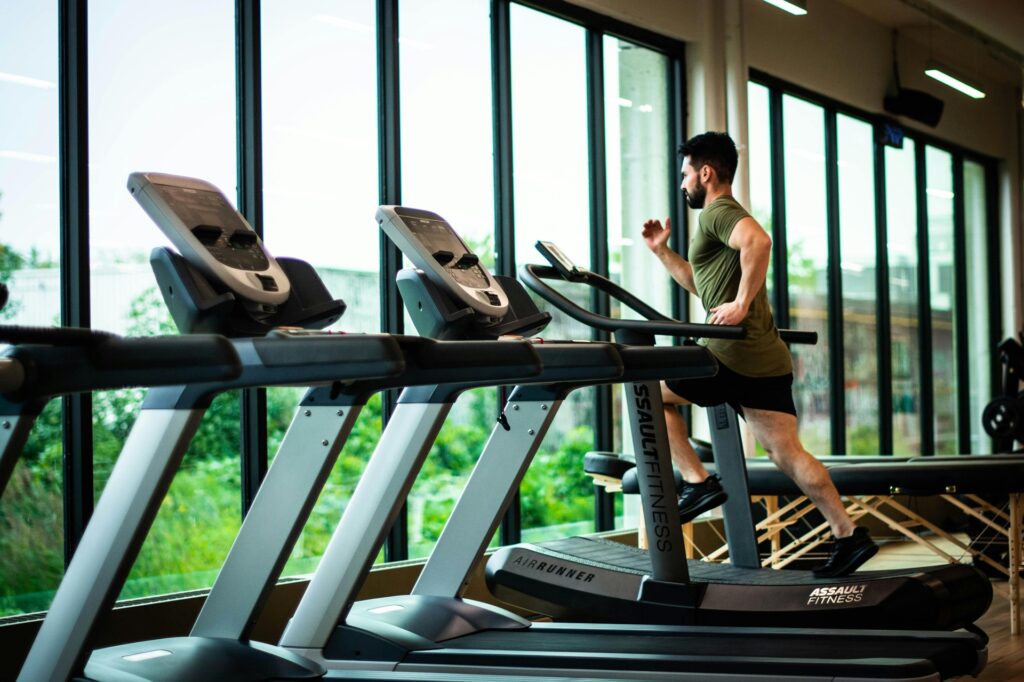
Movement does not require a gym—walking, stretching, functional movement, and consistency matter more than intensity.
3. Rest and Sleep: The Foundation of Recovery
Sleep is not optional—it is biological repair.
Poor sleep affects:
- Immunity
- Hormonal balance
- Mood and mental clarity
- Weight and metabolism
Healthy living requires respecting the body’s need for deep, regular rest.
Mental and Emotional Wellbeing: Health Beyond the Body
A healthy body cannot compensate for a neglected mind.
Modern life exposes people to:
- Constant stimulation
- Information overload
- Social comparison
- Chronic stress
Healthy habits that protect mental wellbeing include:
- Managing screen time and digital boundaries
- Practicing reflection and mindfulness
- Seeking support when overwhelmed
- Developing emotional awareness and regulation
Mental health is not weakness—it is maintenance.
Lifestyle Diseases: A Preventable Crisis
Many of today’s most common health conditions are lifestyle-related:
- Type 2 diabetes
- Heart disease
- Obesity
- Hypertension
- Anxiety and depression
These conditions are often preventable or reversible through:
- Better nutrition
- Regular movement
- Stress management
- Sleep discipline
A healthy lifestyle is one of the most powerful forms of preventive medicine available.
Healthy Habits and Productivity
Health directly affects performance.
People with healthy lifestyles experience:
- Higher energy levels
- Better concentration
- Improved decision-making
- Reduced absenteeism and burnout
For leaders, entrepreneurs, professionals, and students, health is not a luxury—it is a performance asset.
Sustainable success requires sustainable bodies and minds.
Social and Family Impact of Healthy Living
Healthy habits extend beyond the individual.
They influence:
- Family routines and children’s behavior
- Workplace culture
- Community norms
When one person adopts a healthier lifestyle, it often:
- Inspires others
- Reduces healthcare burden
- Strengthens family stability
Health is contagious—positively or negatively.
From Awareness to Action: Building Healthy Habits
Healthy living does not begin with drastic change—it begins with honest self-awareness.
Effective habit-building principles:
- Start small and realistic
- Focus on consistency, not perfection
- Change environments, not just motivation
- Track progress and reflect regularly
- Be patient—health is a long-term investment
Habits shape identity, and identity sustains habits.
Healthy Lifestyle as an Ethical Responsibility
Health is not only personal—it is ethical.
Neglecting health can lead to:
- Dependency
- Reduced ability to serve others
- Financial and emotional burden on families
Caring for one’s health is an act of responsibility toward:
- Oneself
- Loved ones
- Society
A healthy individual is better positioned to contribute positively to the world.
Conclusion: Health Is Built Daily, Not Someday
A healthy lifestyle is not something to “start later.”
It is something to practice today—imperfectly, consistently, and intentionally.
Your habits are shaping your future body,
your future mind,
and your future life—right now.
True wellbeing is not achieved through extremes, shortcuts, or trends.
It is built through daily discipline, balance, and respect for the body and mind entrusted to us.
At Islamic Economy Academy, we believe that healthy lifestyles and habits are foundational—not only for personal wellbeing, but for productive economies, strong families, ethical leadership, and resilient communities.
Health is not merely about living longer—
it is about living better, with energy, clarity, and purpose.
Explore more insights on wellbeing, ethical living, and sustainable lifestyles at Islamic Economy Academy.