
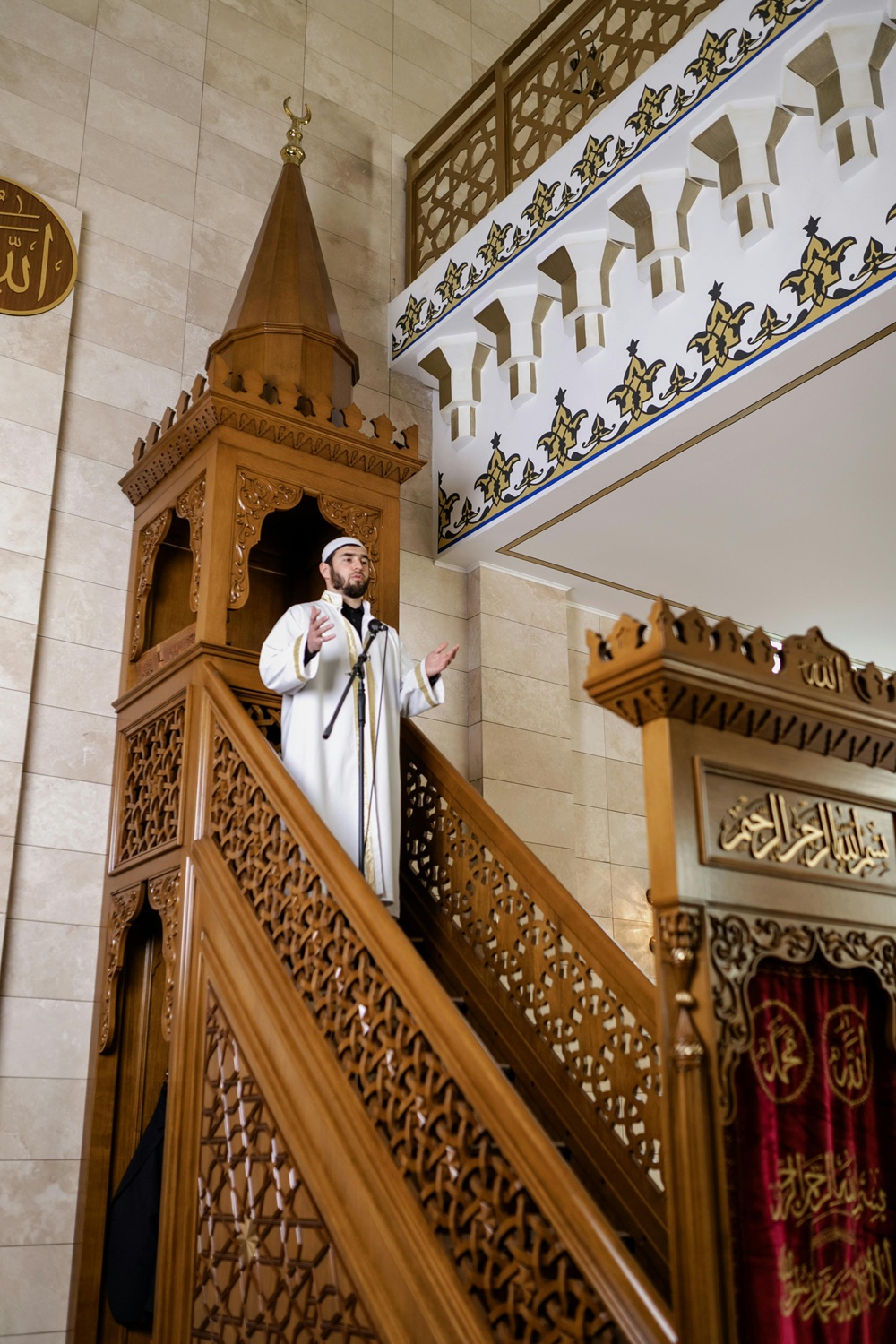

Reviving the Spirit of the Sahabah Without Creating a Culture of Defeat
Islam was revealed to uplift hearts, reform societies, and empower believers to live with purpose, dignity, and connection with Allah (swt).
Yet today, many Muslims leave religious gatherings feeling:
- Overwhelmed rather than inspired
- Guilty rather than motivated
- Hopeless rather than hopeful
- Convinced that righteousness belonged only to the past
This is not the Prophetic way.
The responsibility of scholars, imams, and teachers is not merely to transmit information—but to shape mindset, nurture faith, and build resilient believers who can live Islam meaningfully in their time.
Islam Was Revealed to Transform People, Not Paralyze Them
Allah (swt) revealed Islam for all people, in all times, and in all circumstances.
Allah (swt) says:
“This Qur’an guides to that which is most upright.”
(Qur’an 17:9)
The Qur’an was revealed to:
- Reform hearts
- Correct behavior
- Build character
- Strengthen resolve
- Guide people step by step
The Sahabah were a people shaped into extraordinary believers through tarbiyah, patience, and hope.
The Psychological Danger of Constantly Glorifying the Past Without Extracting Actionable Lessons
One of the most common mistakes some do in preaching today is:
“The Sahabah were great. We are weak. We can never be like them.”
While well-intentioned, this message often creates:
- Spiritual inferiority
- Emotional burnout
- Loss of confidence
- Disengagement from religious practice
- A belief that righteousness is unattainable
This leads to a defeatist mindset, not spiritual growth.
Sahabah were humans who struggled, failed, repented, and grew. They should be our role models to follow and we should focus on how they refined their character and implemented teachings of Islam in day to day life.
The Sahabah Were Built — Not Born Perfect
They:
- Made mistakes
- Had doubts
- Struggled with habits
- Faced fear and weakness
- Asked questions
- Fell and rose again
Allah (swt) did not praise them because they were flawless,
but because they responded sincerely to guidance.
The Prophet ﷺ nurtured them with:
- Patience
- Encouragement
- Wisdom
- Emotional understanding
- Gradual reform
This is the model imams must revive.
Islam Is a Religion of Balance: Fear and Hope
One of the greatest psychological foundations in Islam is balance between fear (khawf) and hope (rajā’).
Allah (swt) repeatedly mentions:
- Jannah and Jahannam
- Mercy and accountability
- Reward and consequence
Never one without the other.
Allah (swt) says:
“Inform My servants that I am the Most Forgiving, Most Merciful. And that My punishment is the painful punishment.”
(Qur’an 15:49–50)
Why This Balance Matters
Too much fear leads to:
- Despair
- Anxiety
- Spiritual paralysis
- Abandonment of worship
Too much hope without accountability leads to:
- Negligence
- Arrogance
- Justifying sins
- Delaying repentance
The Prophet ﷺ taught hope-driven discipline, not fear-driven religion.
The Prophet ﷺ Built People, He Did Not Break Them
Observe how the Prophet ﷺ corrected people:
• He did not humiliate
• He did not shame publicly
• He did not label people as hopeless
• He corrected with mercy and wisdom
When a man committed a grave sin, the Prophet ﷺ:
- Did not expose him
- Encouraged repentance
- Reassured him of Allah’s mercy
This method created strong believers, not fearful followers.
The Role of Imams and Teachers Today
1. Build Confidence in Practicing Islam
Muslims should leave sermons thinking:
“I can improve. Allah (swt) wants me to succeed.”
Not:
“I will never be good enough.”
Confidence is not arrogance—it is trust in Allah.
2. Teach Islam as a Way of Life, Not a Burden
Islam is meant to:
- Simplify life
- Bring clarity
- Bring peace
- Build strong character
The Prophet ﷺ said:
“Make things easy, do not make them difficult.”
(Bukhari & Muslim)
Religion should feel transformative, not suffocating.
3. Connect Islam to Daily Life
Talk about:
- Work ethics
- Family relations
- Mental health
- Emotional struggles
- Social responsibility
Islam is not only about rituals—it is about how we live, think, and treat others.
4. Replace Blame With Guidance
Instead of:
“This generation is lost.”
Say:
“This generation faces challenges, and Islam has solutions.”
The Qur’an was revealed to guide broken societies—not perfect ones.
5. Inspire Through Possibility, Not Guilt
The Prophet ﷺ always opened doors of hope:
“All of the children of Adam sin, and the best of sinners are those who repent.”
(Tirmidhi)
Repentance is not failure—it is progress.
Building a Positive Muslim Mindset in the Community
Imams and educators should nurture:
✔ Hope in Allah (swt)
✔ Confidence in faith
✔ Love for worship
✔ Emotional resilience
✔ Personal accountability
✔ Community responsibility
A positive mindset produces:
- Strong families
- Ethical professionals
- Youth who love Islam
- Communities that grow spiritually
A Message to Imams and Teachers
You are not only conveying information.
You are shaping how people feel about Allah (swt).
Your words can:
- Heal or harm
- Inspire or discourage
- Awaken or alienate
Every khutbah, lesson, and reminder should ask:
“Does this bring people closer to Allah or push them away?”
Conclusion: Islam Is for All Times and All People
Islam is not a religion of nostalgia.
It is a religion of guidance, growth, and hope.
The Sahabah were not great because they were born different.
They were great because they:
- Trusted Allah
- Took small steps
- Repented often
- Stayed consistent
And this path remains open.
“Allah does not burden a soul beyond what it can bear.”
(Qur’an 2:286)
Islam is not meant to break people.
It is meant to build them.
And when imams and teachers revive this balanced, hopeful, prophetic approach—
the Ummah will rise not through fear,
but through faith, confidence, and sincerity.