

Trade has always held a noble position in Islam. The Prophet ﷺ himself was a merchant, and many of his companions were traders whose honesty and integrity became a means of da‘wah long before words were spoken.
In Islam, business is not merely a financial activity — it is a moral responsibility, a social trust, and a form of worship when conducted correctly.
In a world driven by competition, branding, and profit maximization, many Muslim entrepreneurs struggle to balance success with sincerity. Some unknowingly adopt unethical practices, while others feel pressured to compromise values to survive.
This article presents a holistic Islamic framework for how Muslim traders should behave toward one another — rooted in the Qur’an, the Sunnah, and the ethical legacy of Muslim marketplaces.
Understanding the Islamic View of the Marketplace
Islam views the marketplace as:
• A place of trust (amānah)
• A test of character
• A space where faith becomes visible
• A means of lawful provision
• A responsibility toward society
Allah (swt) says:
“Do not consume one another’s wealth unjustly, but only [in lawful] business by mutual consent.”
(Qur’an 4:29)
Trade in Islam is not value-neutral. It either elevates a person spiritually or degrades them morally depending on intention, honesty, and conduct.
The Prophet ﷺ said:
“The truthful, trustworthy merchant will be with the Prophets, the truthful, and the martyrs.”
(Tirmidhī, 1209 – Hasan)
This hadith alone shows the high spiritual rank Islam gives to ethical business.
The Goal of Islamic Entrepreneurship
Islamic entrepreneurship is not about:
• Crushing competitors
• Maximizing profit at any cost
• Personal glorification
• Market domination
It aims to produce individuals who:
• Earn halal income
• Act with honesty and dignity
• Care for others
• Trust Allah (swt) as the Provider
• Contribute positively to society
Allah (swt) reminds us:
“And whatever you spend of anything, He will replace it.”
(Qur’an 34:39)
True success lies in barakah, not numbers.
Common Mistakes Muslim Traders Make Today
1. Competing With Harm Instead of Excellence
Many believe success requires:
• Undercutting others unfairly
• Spreading doubt about competitors
• Manipulating prices
• Destroying others to rise
Islam forbids this mindset.
The Prophet ﷺ said:
“Do not envy one another, do not inflate prices, do not hate one another, and do not undercut one another in business.”
(Muslim, 2563)
Competition is allowed — harm is not.
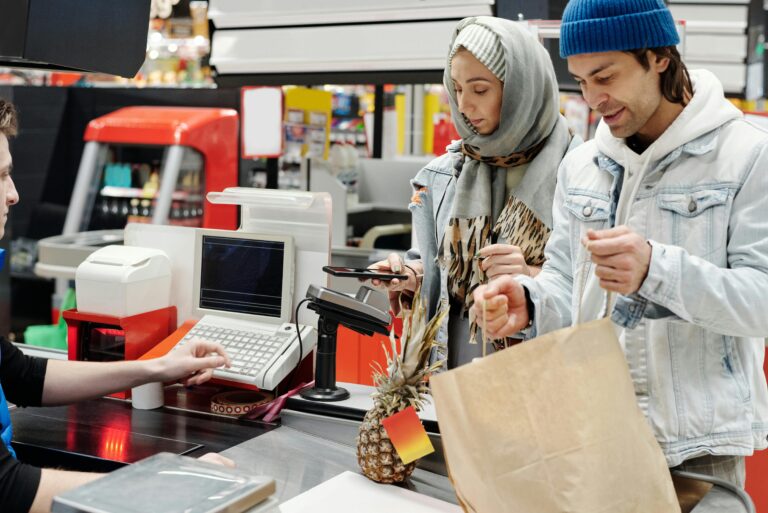
2. Treating Customers as Targets, Not Trusts
When profit becomes the only goal:
• Honesty declines
• Manipulation increases
• Trust disappears
The Prophet ﷺ warned:
“Whoever deceives us is not from us.”
(Muslim, 101)
A Muslim does not see customers as opportunities to exploit, but as people entrusted by Allah.
3. Forgetting That Rizq Comes From Allah
One of the greatest spiritual mistakes in business is believing:
“If I don’t take this deal, I will lose my provision.”
Allah (swt) says:
“And in the heaven is your provision and whatever you are promised.”
(Qur’an 51:22)
No one can take what Allah has written for you.
Islamic Foundations of Ethical Trade
1. Honesty Before Profit
The Prophet ﷺ said:
“The buyer and seller have the option (to cancel) as long as they have not separated. If they are truthful and clear, they will be blessed in their transaction.”
(Bukhari & Muslim)
Honesty brings:
• Barakah
• Trust
• Long-term success
Deception removes blessing, even if profits rise temporarily.
2. Mercy and Leniency in Dealings
The Prophet ﷺ made a powerful supplication:
“May Allah have mercy on the one who is gentle when selling, buying, and seeking repayment.”
(Bukhari, 2076)
Mercy in trade means:
• Flexibility
• Patience
• Understanding people’s hardship
• Avoiding harshness
This attitude attracts loyalty and divine reward.
3. Caring for Other Traders
Islam does not promote selfish markets.
A believer should:
• Wish well for others
• Avoid jealousy
• Protect others’ livelihoods
• Share opportunities when possible
The Prophet ﷺ said:
“None of you truly believes until he loves for his brother what he loves for himself.”
(Bukhari & Muslim)
This includes business.
The Noble Practice of Referring Customers to Others
One of the most beautiful expressions of Islamic ethics is when a trader sends a customer to another shop.
This happens when:
• Another seller needs the sale more
• The product suits another shop better
• The trader wants fairness over profit
This reflects:
• Trust in Allah (swt)
• Freedom from greed
• Community consciousness
Such traders often find that Allah (swt) sends customers back to them with greater barakah.
Bosnian Marketplace Culture: A Living Example
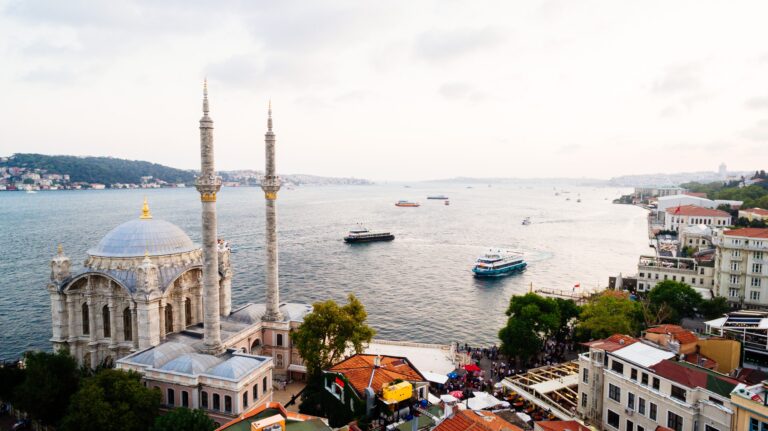
In Bosnia, especially in traditional bazaars like Baščaršija, marketplace ethics still reflect Islamic values:
• Neighborly cooperation
• Referring customers honestly
• Hospitality before profit
• Mutual respect among traders
• Trust across religious lines
This culture, rooted in komšiluk (neighborliness), demonstrates how Islamic values create stable and humane markets.
It proves that ethical trade is not idealistic — it is sustainable.
Why This Model Benefits Society
Social Benefits
• Trust and harmony
• Reduced conflict
• Stronger community bonds
Economic Benefits
• Customer loyalty
• Business stability
• Reduced exploitation
• Long-term growth
Spiritual Benefits
• Barakah in income
• Peace of heart
• Allah’s pleasure
A market guided by ethics becomes a source of wellbeing, not stress.
How to Revive This Culture Today
1. Establish Marketplace Ethics
• Honest pricing
• No deception
• Mutual respect
• Ethical advertising
2. Encourage Referral Culture
• Send customers when appropriate
• Support struggling traders
• Avoid hoarding opportunities
3. Resolve Disputes Privately
Allah (swt) says:
“Reconciliation is better.”
(Qur’an 4:128)
4. Teach Youth Ethical Trade
Instill that:
• Trade is worship
• Integrity is success
• Wealth is a test
Conclusion: Trade as Worship
Islam does not separate faith from commerce.
A trader who:
• Speaks truthfully
• Acts justly
• Shows mercy
• Supports others
…is worshipping Allah through business.
“And whatever good you do — Allah knows it.”
(Qur’an 2:197)
When Muslim traders revive these values, markets become places of trust, dignity, and barakah.
And when trade is guided by faith, it becomes more than livelihood —
it becomes a path to Allah (swt).