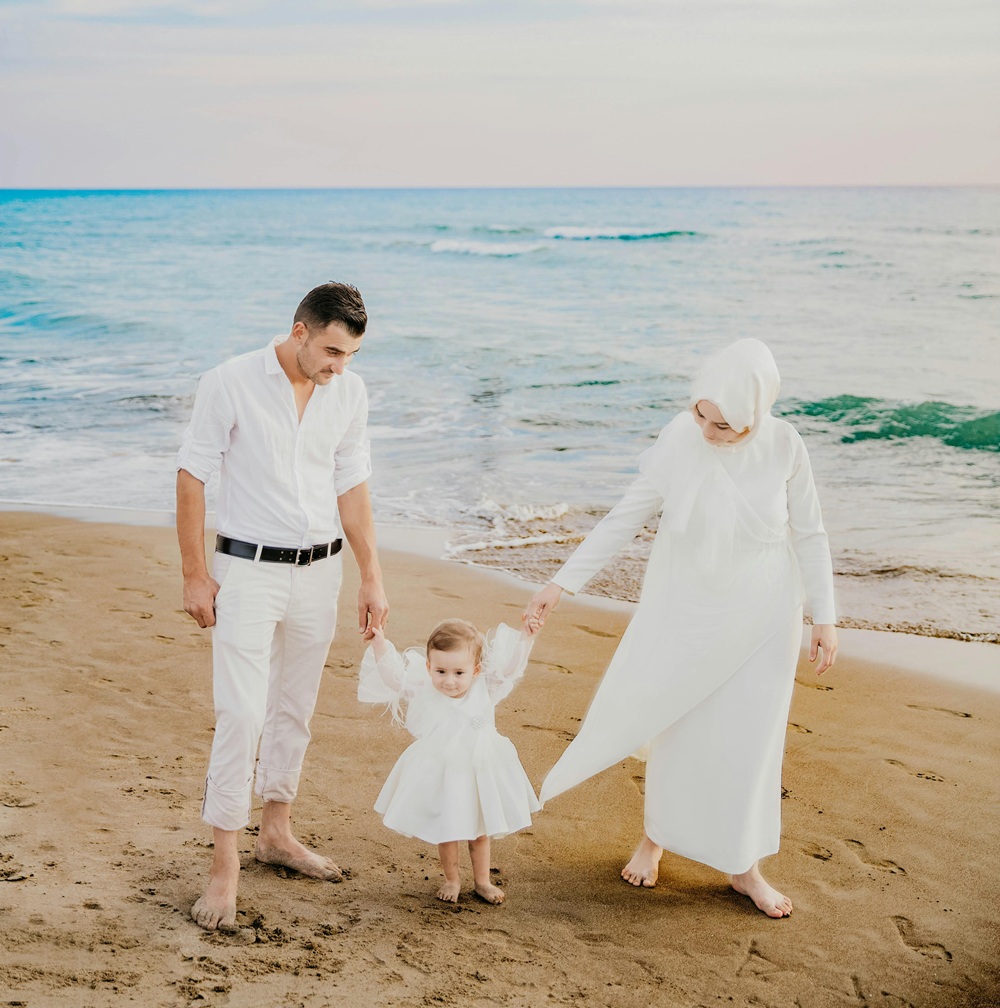


Islamic community development is not a short-term project or a collection of disconnected activities. It is a continuous, values-driven journey aimed at nurturing faith, dignity, resilience, and collective wellbeing. Rooted in Islamic principles and responsive to contemporary realities, true community development strengthens individuals while building systems that sustain families, institutions, and future generations.
At its core, Islamic community development is about transforming values into living structures—where belief inspires action, compassion shapes systems, and justice guides growth.
Understanding Islamic Community Development
Islamic community development goes beyond infrastructure, charity, or religious programming. It is a holistic process that integrates:
- Spiritual growth and moral character
- Social cohesion and mutual care
- Economic dignity and ethical livelihoods
- Education and leadership development
- Justice, inclusion, and good governance
The Qur’anic vision of community (ummah) emphasizes shared responsibility, not individual isolation. Every member has a role in uplifting others, and collective wellbeing is a moral obligation.
Why Community Development Is a Religious Responsibility
In Islam, faith is not confined to personal rituals. It is expressed through:
- Caring for the vulnerable
- Upholding justice
- Strengthening families
- Building ethical institutions
Neglecting community wellbeing leads to:
- Social fragmentation
- Moral decline
- Youth disengagement
- Loss of trust in leadership
Community development is therefore not optional—it is a form of worship and collective accountability.
Core Principles Guiding Islamic Community Development
1. Tawḥīd: Unity of Purpose
Islamic development begins with recognizing that all efforts serve a higher purpose—seeking the pleasure of Allah through service to humanity. This creates alignment between spiritual goals and social action.
2. Balance (Mīzān): Holistic Growth
Healthy communities balance:
- Worship and work
- Individual rights and collective duties
- Material needs and spiritual growth
Overemphasizing one dimension at the expense of others leads to instability.
3. Justice (ʿAdl): Fairness and Inclusion
Justice ensures that development:
- Benefits all segments of the community
- Protects the marginalized
- Prevents concentration of power or resources
A community cannot thrive if growth is exclusive or unjust.
4. Trust (Amānah): Responsible Stewardship
Resources—financial, human, and institutional—are trusts. Effective community development requires:
- Transparency
- Accountability
- Ethical leadership
Trust is the currency of strong communities.
Key Pillars of Islamic Community Development
1. Spiritual and Moral Development
Faith provides the moral compass for community life.
Initiatives include:
- Accessible religious education
- Character-building programs
- Spaces for reflection and spiritual growth
- Connecting faith to daily life challenges
Strong spirituality nurtures ethical behavior and resilience.
2. Strong Families and Social Support
Families are the foundation of community strength.
Effective development focuses on:
- Marriage preparation and counseling
- Parenting education
- Mental and emotional wellbeing
- Support for elders and vulnerable members
When families thrive, communities stabilize.
3. Education and Knowledge Empowerment
Education in Islam is lifelong and transformative.
Community education should address:
- Religious literacy
- Life skills and employability
- Leadership and civic responsibility
- Critical thinking and ethics
Knowledge empowers individuals to contribute meaningfully.
4. Economic Dignity and Ethical Livelihoods
Economic hardship undermines social and spiritual wellbeing.
Islamic community development promotes:
- Ethical entrepreneurship
- Skills training and employment pathways
- Zakat, waqf, and microfinance integration
- Financial literacy and debt prevention
Economic dignity restores confidence and independence.
5. Health, Wellbeing, and Care
Healthy individuals build healthy communities.
Development initiatives include:
- Preventive health education
- Mental health and emotional support
- Lifestyle and wellness programs
- Care for the sick, elderly, and disabled
Wellbeing enables participation and service.
6. Ethical Leadership and Governance
Leadership determines community direction.
Islamic leadership emphasizes:
- Consultation (shūrā)
- Transparency and accountability
- Service-oriented mindset
- Conflict resolution and fairness
Ethical governance builds trust and continuity.
From Charity to Empowerment
While charity is essential, Islamic community development aims for empowerment.
This means:
- Moving from relief to resilience
- From dependency to dignity
- From short-term aid to long-term systems
Empowerment enables communities to sustain themselves.
Engaging Youth and Future Leaders
Youth are not merely beneficiaries—they are partners in development.
Communities must:
- Provide leadership pathways
- Encourage service and innovation
- Address identity and belonging
- Invest in mentorship and skills
Ignoring youth threatens the future; empowering them secures it.
Challenges on the Path—and How to Overcome Them
Common challenges include:
- Fragmented initiatives
- Leadership conflicts
- Limited resources
- Resistance to change
Solutions lie in:
- Clear vision and coordination
- Education and capacity building
- Inclusive decision-making
- Patience and long-term commitment
Progress requires perseverance.
Measuring Success in Islamic Community Development
Success is not measured only in numbers or buildings, but in:
- Trust and social cohesion
- Ethical behavior and accountability
- Reduced vulnerability and dependence
- Active participation and belonging
True success is transformation, not appearance.
Conclusion: Walking the Path Together
The path to Islamic community development is neither easy nor quick—but it is clear and purposeful.
When faith guides action,
justice shapes systems,
knowledge empowers people,
and compassion binds hearts,
communities move from survival to strength.
At Islamic Economy Academy, we believe Islamic community development is a collective journey—one that requires vision, humility, collaboration, and unwavering commitment to values.
Strong communities are not built by chance.
They are built by people who walk the path together—with faith, wisdom, and responsibility.